
Mailing List


Sophie Mackintosh
Sophie Mackintosh's fiction has appeared in Granta and The Stinging Fly, among others. She was the winner of the 2016 White Review Short Story Prize and the Virago X Stylist short story prize. Her debut novel, The Water Cure, is published by Hamish Hamilton in the UK and forthcoming from Doubleday in the US.

Articles Available Online


Lena Andersson's ‘Acts of Infidelity’

Book Review

July 2018

Sophie Mackintosh

Book Review

July 2018

Acts of Infidelity is the second novel by Lena Andersson that follows unlucky-in-love heroine Ester Nilsson, and it’s another scalpel-sharp look at a doomed...

Fiction

May 2018

Self-Improvement

Sophie Mackintosh

Fiction

May 2018

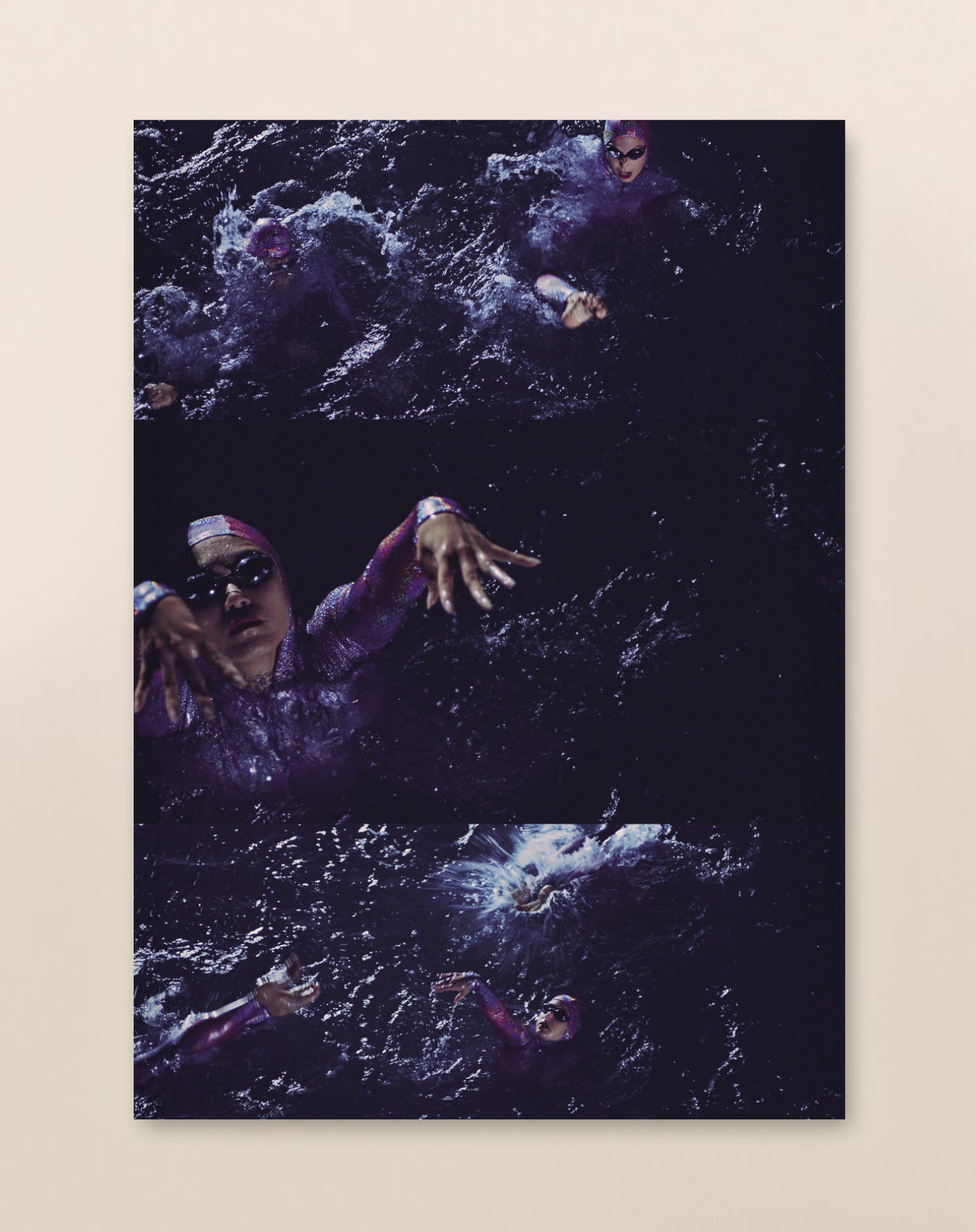
I had been sent back from the city in disgrace, back to my parents’ house in the country. It...

The first time I encountered Saidiya Hartman, she was a voice in salt, an award-winning play by artist and performer Selina Thompson Woven carefully into the play’s text, Hartman’s words guide Thompson as she embarks on a cargo ship voyage, with the intention of recharting the path of the trans-Atlantic slave trade The effect is seamless Over the course of the production, Thompson offers excerpts from Hartman’s 2007 book Lose Your Mother: A Journey Along the Atlantic Slave Route, in which Hartman shares her own account of tracing the same history, in Ghana, years earlier   Born and raised in New York City, a place she still calls home, Hartman is a professor at Columbia University within the department of English Across each of her books, Scenes of Subjection: Terror, Slavery and Self-Making in Nineteenth-Century America (1997), Lose Your Mother and Wayward Lives, Beautiful Experiments: Intimate Histories of Social Upheaval (2019), Hartman’s writing unpacks what she terms ‘the afterlife of slavery’ With an emphasis on the word life, Hartman is relentless in fleshing out the ongoing intricacies with which the trade formed – and persists in forming – the racialised relations of our present world   Her mastery, however, is in how she does this, how her encounters with archival material – inventories documenting the enslaved, photographs, songs, names, or the sheer lack of them – become stimuli for a narrative technique that stories the silence of loss without speaking over it In her 2008 essay, ‘Venus in Two Acts’, she calls this methodology ‘critical fabulation’: an ‘impossible writing that attempts to say that which resists being said’; an account of history written both ‘with and against the archive’, often bending time, rendering the past, present and future coterminous As Chicago-based poet and vocalist Jamila Woods sings, Look what they did to my sisters, last century, last week Over the last two decades, Hartman has made it her life’s work to gaze incredibly closely Never with the clinical detachment of an outsider Always, as she writes, from ‘within the circle’ of black diasporic culture and thought   Where Scenes of Subjection and Lose Your Mother

Contributor

April 2016

Sophie Mackintosh

Contributor

April 2016

Sophie Mackintosh’s fiction has appeared in Granta and The Stinging Fly, among others. She was the winner of the...

Grace

Prize Entry

Issue No. 17

Sophie Mackintosh

Prize Entry

Issue No. 17

14. It comes for me in the middle of the day when I am preparing lunch, quartering a tomato then slicing each segment in...

READ NEXT

Interview

February 2011

Interview with Manfredi Beninati

Lowenna Waters

Interview

February 2011

Time, memory, the landscape of the mind, manifestation and metamorphosis, resurgence and collapse and the crisp crust of Sicilian...

Art

July 2015

Michaël Borremans

Ben Eastham

Art

July 2015

Michaël Borremans is among the most important painters at work in the world today. His practice combines a lifetime’s...

Interview

Issue No. 1

Interview with China Miéville

Ben Eastham

Interview

Issue No. 1

It is a cliché to say that a writer’s work resists classification. It is ironic then that China Miéville,...


Get our newsletter


* indicates required