Mailing List


Rebecca Liu
Rebecca Liu is a commissioning editor at Guardian Saturday and a staff writer at Another Gaze.

Articles Available Online


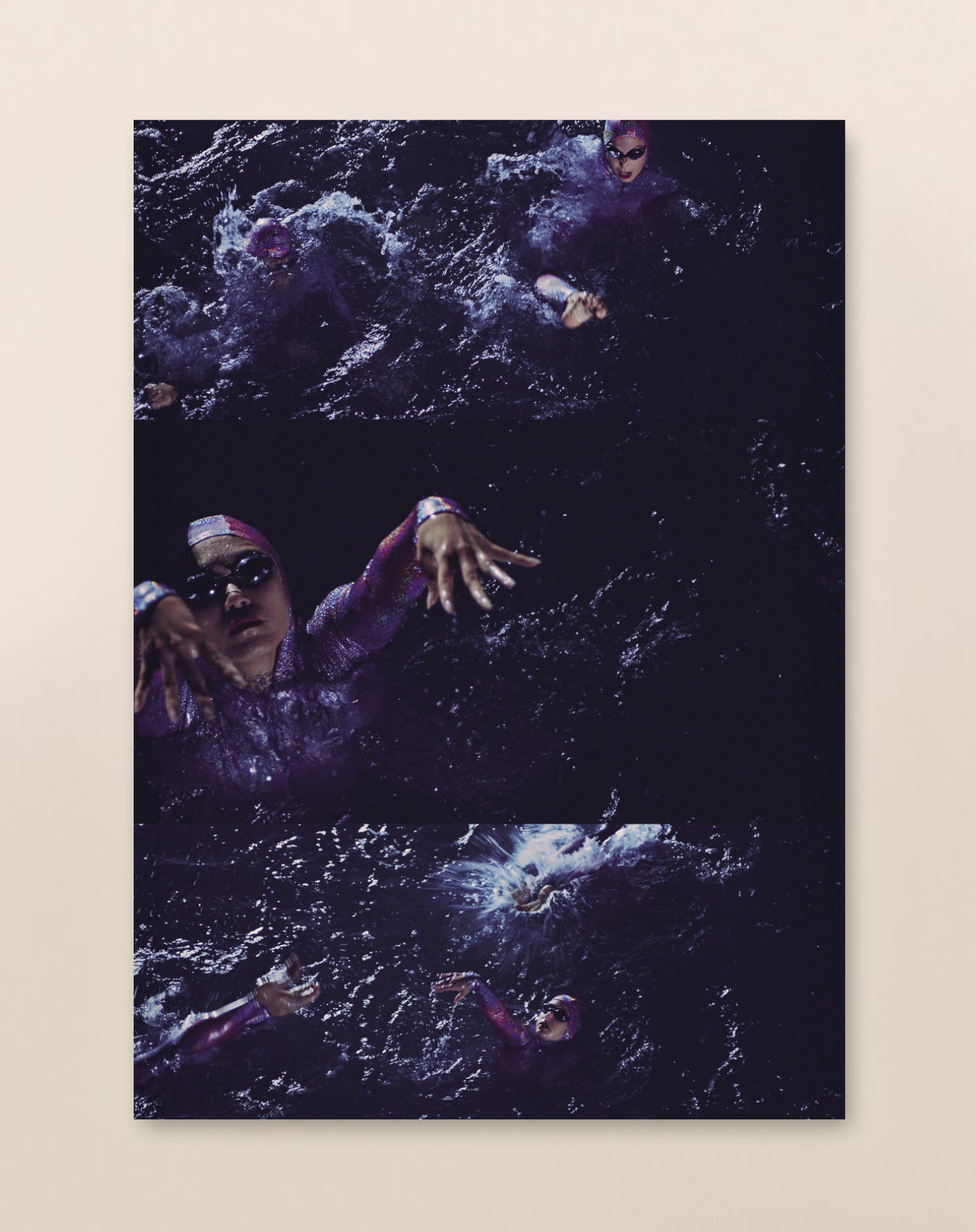
There are only girls on the internet

Book Review

August 2022

Rebecca Liu

Book Review

August 2022

I remember the first time I saw it, like a freshly alert hare alarmed by movement in the distant grasslands. It was 2013. Model...

Book Review

September 2020

Pankaj Mishra’s ‘Bland Fanatics’

Rebecca Liu

Book Review

September 2020

The Anglo-American commentariat is full of lofty egos. Pankaj Mishra has developed a reputation as their great deflater. ‘Watch...

‘To live,’ writes Walter Benjamin, ‘means to leave traces’ As one might expect, Benjamin’s observation is not without a certain melancholy Traces are lost in the grand sweep of history And, in today’s world of mass-production, anonymous spectacle and gleaming, sterile surfaces, it has become increasingly difficult to leave traces For Benjamin, it had become increasingly difficult to live   Yet people do leave traces in their wake: the refuse and detritus of history; the variegated remnants of daily life; or dust A trace is ephemeral, a locus of ambivalence suspended in the unstable space between construction and dispersal, presence and absence A trace is very little, almost nothing But it is also an index of life   Gabriel Orozco’s artistic practice could be described, I think, as an aesthetic of the trace The works presented in his retrospective at Tate Modern share a sense of temporal precariousness that is far removed from the mythic aura of timelessness that has enveloped today’s world In other words, the ‘eternal present’[1] that the cultural theorist Fredric Jameson diagnosed as endemic in postmodernity, a symptom of the disappearance of the subject through the ubiquity of simulacra; that is, commodified, depthless and mass-produced items that conflate time’s three horizons into an indissoluble ‘now’ (think Warhol’s Diamond Dust Shoes (1980)) Orozco’s works, however, are provisional They are vulnerable to the vicissitudes of time Gabriel Orozco, Yielding Stone (1992) Plasticine ball and street debris The paradoxically titled Yielding Stone (1992), for instance, consists of a black lump of plasticine formed in the weight of the artist’s own body The work is rolled onto the street where this highly malleable and greasy material absorbs whatever residue it encounters Yielding Stone registers what would usually vanish without a trace, like a memorial of the ephemeral Indeed, one might literally describe the work as sedimented history Combined with its amorphous shape, this has led commentators to read the work as evocative of the archaic or the primordial In addition, its processual nature has tended to be understood in relation to

Contributor

August 2019

Rebecca Liu

Contributor

August 2019

Rebecca Liu is a commissioning editor at Guardian Saturday and a staff writer at Another Gaze.

Jia Tolentino’s ‘Trick Mirror’

Book Review

August 2019

Rebecca Liu

Book Review

August 2019

Talk about the fates of young professional women today and you will often alight on two themes: the anxieties that come with living in...

READ NEXT

feature

April 2012

Oradour-sur-Glane: Reflections on the Culture of Memorial in Europe

Will Stone

feature

April 2012

Que nos caravanes s’avancent Vers ce lieu marqué par le sang Une plaie au coeur de la France Y...

feature

January 2017

Take Comfort

Heather Radke

feature

January 2017

I. One week after Buzz and Heather broke up, she dragged her mattress into her living room. She moved...

fiction

August 2017

Lengths

Matthew Perkins

fiction

August 2017

1   I sat at the kitchen table while Valentine prepared cups of flowery, smoky loose leaf tea. Antoine...


Get our newsletter


* indicates required