Mailing List


Rosanna Mclaughlin
Rosanna Mclaughlin is an editor at The White Review.
Articles Available Online


The Pious and the Pommery

Essay

Issue No. 18

Rosanna Mclaughlin

Essay

Issue No. 18

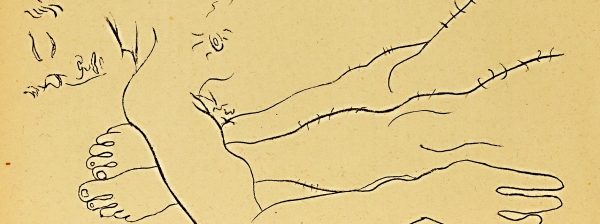
I.   Where is the champagne? On second thoughts this is not entirely the right question. The champagne is in the ice trough, on...

Essay

April 2019

Ariana and the Lesbian Narcissus

Rosanna Mclaughlin

Essay

April 2019

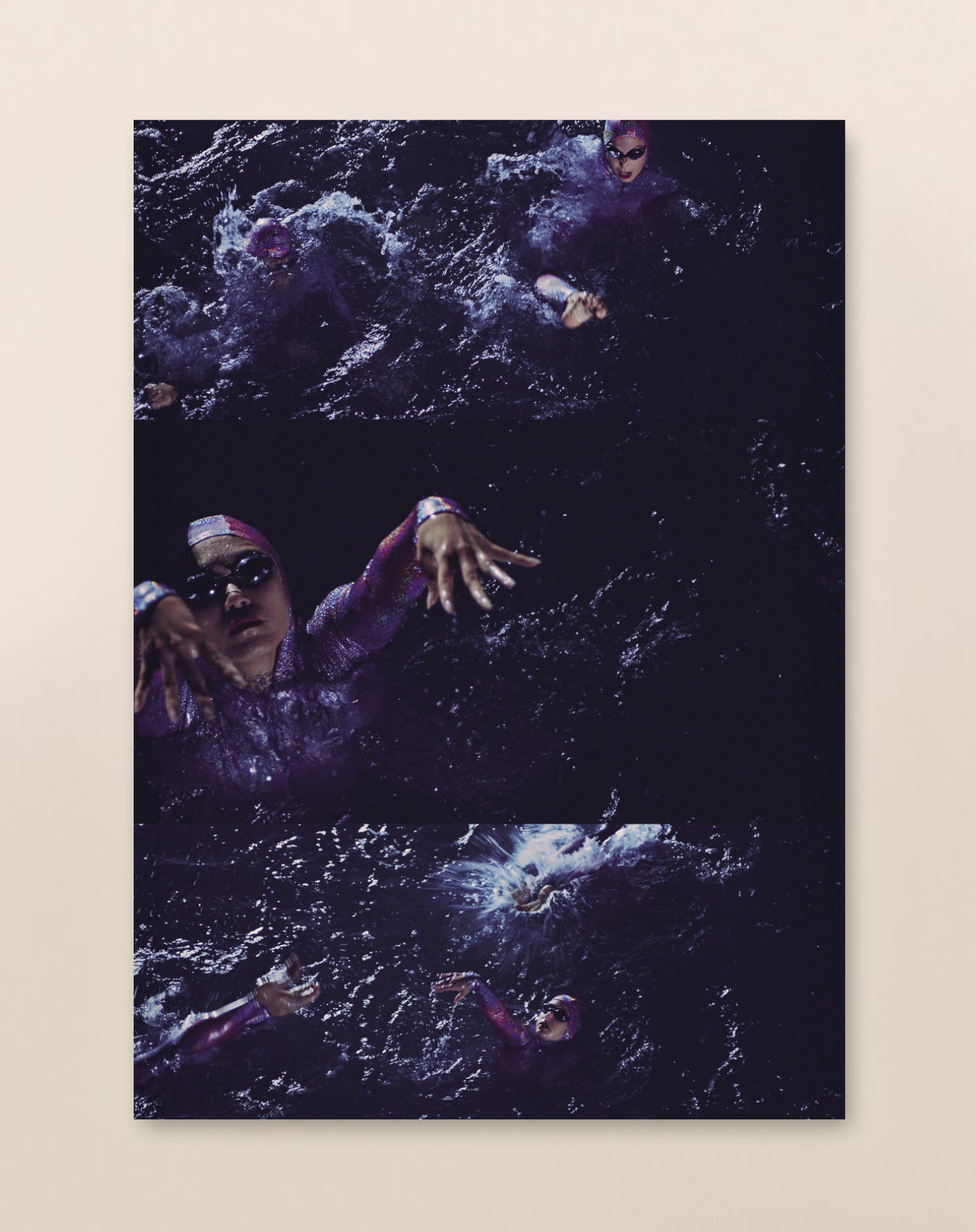
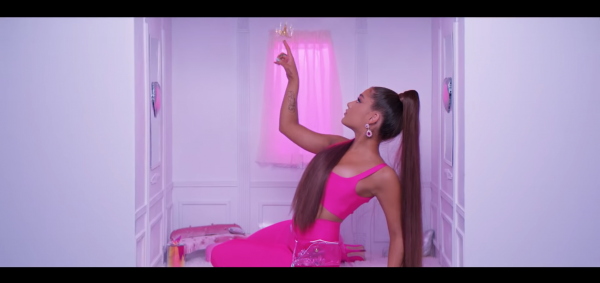
‘Avoid me not!’ ‘Avoid me not!’                                   Narcissus   Let me describe a GIF I’ve been watching. A lot....

Everywhere in the Japan of Yoko Tawada’s The Last Children of Tokyo, strange mutations unfold In the years (perhaps decades, or perhaps generations) since an environmental catastrophe, the basic tenets of biology have broken down Children are born weak, with birdlike bones and soft teeth The elderly, in turn, are youthful, athletic, seem to have been ‘robbed of death’ Men begin to experience menopausal symptoms as they age Everyone’s sex changes inexplicably and at random at least once in their lives   This is a vaguely post-Fukushima world, but dystopian or post-apocalyptic are both ill-fitting categories for The Last Children of Tokyo Instead, what Tawada has gifted us is a quiet new magical realism for the Anthropocene, which eco-philosopher Timothy Morton in Hyperobjects neatly summarises as the ‘inception of humanity as a geophysical force on a planetary scale’ In a move of narrative proficiency, Tawada never discloses the full details of the environmental disaster that catalysed these shifts in the natural order We’re given only pieces of half-information A major earthquake pushed the Japanese archipelago further away from the Asian continent (but when?) Pollutants (of what kind?) in the soil have now contaminated the asphalt in the streets   Because this is not science fiction, the facts of how the world came to be this way – why Japan has isolated itself in a sort of Edo renaissance, why only some foods are available and not others, or why telephones no longer exist all – matter less than the quotidian details surrounding Yoshiro and his great-grandson, Mumei Every morning for years, Yoshiro rents a dog as a jogging companion, though the word jogging has fallen into disuse (more on this shift in language later) He tries to prepare a breakfast that Mumei can safely consume, squeezing the juice from an orange and then cutting it into tiny pieces his great-grandson can actually chew Yoshiro accompanies Mumei to and from school, which is serious labour for Mumei, as the boy struggles to walk even short distances When Mumei gets too tired to keep going, Yoshiro simply puts him in the back carrier of his bicycle and

Contributor

July 2016

Rosanna Mclaughlin

Contributor

July 2016

Rosanna Mclaughlin is an editor at The White Review.
Ten Years at Garage Moscow

Art Review

November 2018

Rosanna Mclaughlin

Art Review

November 2018

When I arrive in Moscow, I am picked up from the airport by Roman, a patriotic taxi driver sent to collect me courtesy of...
Becoming Alice Neel

Art

August 2017

Rosanna Mclaughlin

Art

August 2017

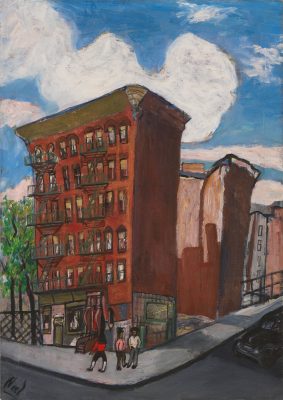
From the first time I saw Alice Neel’s portraits, I wanted to see the world as she did. Neel was the Matisse of the...

READ NEXT

Interview

June 2014

Diane Williams: Two Stories and an Interview

Harriet Pittard

Interview

June 2014

Editor’s Note: By way of an introduction, we’ve included two previously unpublished stories by Diane Williams, ‘Beauty, Love and...

feature

March 2015

Plastic Words

Tom Overton

feature

March 2015

Plastic Words was a six-week series of thirteen events which described itself as ‘mining the contested space between contemporary...

feature

January 2013

A Black Hat, Silence and Bombshells : Michael Hofmann at Cambridge & After

Stephen Romer

feature

January 2013

The black hat and the black coat I was familiar with, before I knew their owner. It was Cambridge,...


Get our newsletter


* indicates required