Mailing List


Philippa Snow
Philippa Snow is a critic and essayist. Her work has appeared in publications including ArtforumThe Los Angeles Review of BooksArtReviewFriezeVogueThe NationThe New Statesman, and The New Republic. Her first book, Which As You Know Means Violence, is out now with Repeater, and she is currently working on an essay collection about famous women.  

Articles Available Online


You Don’t Think God Is Sexy?

Film Review

January 2023

Philippa Snow

Film Review

January 2023

On the most literal level, Pier Paolo Pasolini’s elliptical, spiritual-cum-sensual movie Teorema (1968) is about an entire family being driven to distraction by their...

Essay

Issue No. 31

It's Terrible The Things I Have To Do To Be Me

Philippa Snow

Essay

Issue No. 31

Here was a woman who had modelled her life so closely on Marilyn Monroe’s that doing so eventually helped...

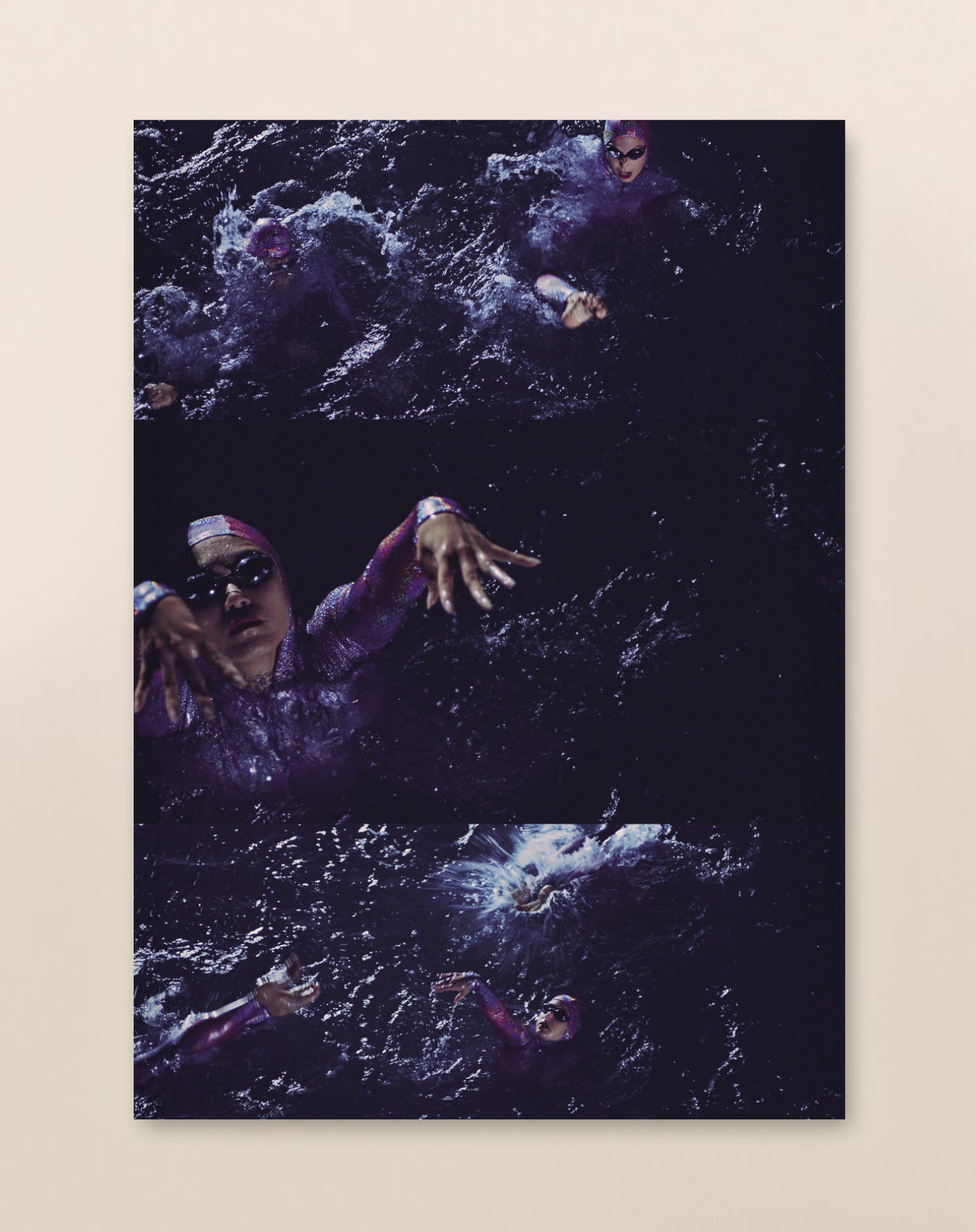
The White Book feels as if it is being whispered: each paragraph seems to come from some deep and interior place Han Kang wrote it whilst living in Warsaw, though in the book the city is never named explicitly Instead it is only a white city, white for its snow and white for its stone ruins In an interview with Granta, Kang said that when writing this book, she imagined her prematurely dead sister had lived and visited the city ‘in my place’   Photographs are interspersed throughout In some, a woman appears, her face obscured by shadow In others, only her hands are visible She holds a child’s gown She holds a pebble-like object covered in salt The photographs are of white objects, but in contrast to the white pages, they are startlingly grey The specks and splashes of whiteness are surrounded by shadow The woman seems trapped in darkness Who is this woman supposed to represent? The narrator? The ghost of the sister? The novelist Kang? All or none of the above?  The literal answer is that they are photographs of a performance by Kang, shot by the photographer Choi Jinhyuk But within the pages, they seem to carry the spirit of characters — and the novelist herself   The text is a loose collection of thoughts, scenes, and images Few are longer than a page They are gathered into three sections — ‘I’, ‘She’, and ‘All Whiteness’ ‘I’ follows the narrator considering the colour white and describes her sister’s passing ‘She’ imagines the sister’s life Some subsections describe what the sister might have done—having an X-ray, finding a pebble, attempting to befriend a dog Others contemplate white things—seagulls, a dead butterfly, a lace curtain   Both ‘I’ and ‘She’ are pensive and slightly sorrowful At first, this similarity is disorienting: it is hard to see where one perspective ends and the other begins Slowly, the reader realises that this muddling is the point The concern of the narrator is not whether the sister would have been a vastly different person, but what it means to replace one life with another Her mother would not have

Contributor

November 2018

Philippa Snow

Contributor

November 2018

Philippa Snow is a critic and essayist. Her work has appeared in publications including Artforum, The Los Angeles Review of Books, ArtReview, Frieze, Vogue, The...

Essay

January 2021

An Uneasy Girl

Philippa Snow

Essay

January 2021

Even before Lucie arrives holding a shotgun, we know that the perfect family in this huge suburban house are...

Brilliant Muscles

Essay

December 2019

Philippa Snow

Essay

December 2019

‘Lindsay Lohan’s new film,’ I told almost everyone I spoke to for about two months earlier this year, ‘is about werewolf detectives.’ Nobody seemed...
Evita Vasiljeva, POSTCRETE

Art Review

February 2019

Philippa Snow

Art Review

February 2019

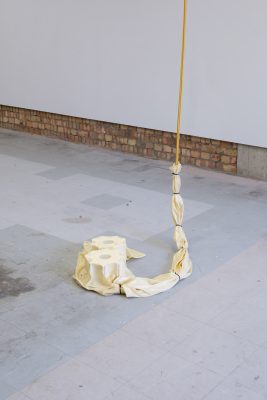
Lower.Green is situated in the unlikely surroundings of a near-dead mall in Norwich. It is not just any mall, but Anglia Square Shopping Centre:...
Gabriele Beveridge, Live Dead World

Art Review

November 2018

Philippa Snow

Art Review

November 2018

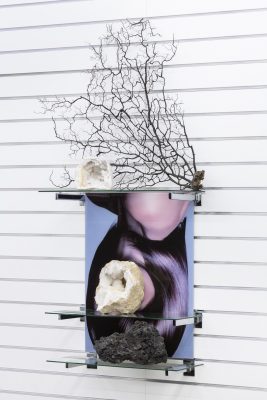
Several months ago, I went to a salon so small and so identikit that I do not recall the name, and against every sane...

READ NEXT

fiction

January 2016

By the River

Esther Kinsky

TR. Martin Chalmers

fiction

January 2016

  For Aljoscha   ST LAWRENCE SEAWAY   Under my finger the map, this quiet pale blue of the...

feature

Issue No. 19

Editorial

The Editors

feature

Issue No. 19

‘A crisis becomes a crisis when the white male body is affected,’ writes the philosopher Rosi Braidotti, interviewed in...

feature

June 2014

A Grenade for River Plate

Juan Pablo Meneses

TR. Jethro Soutar

feature

June 2014

El Polaco appears brandishing his Stanley, as he lovingly calls his pocket knife. Five young hooligans huddle round him...


Get our newsletter


* indicates required