On the Ground
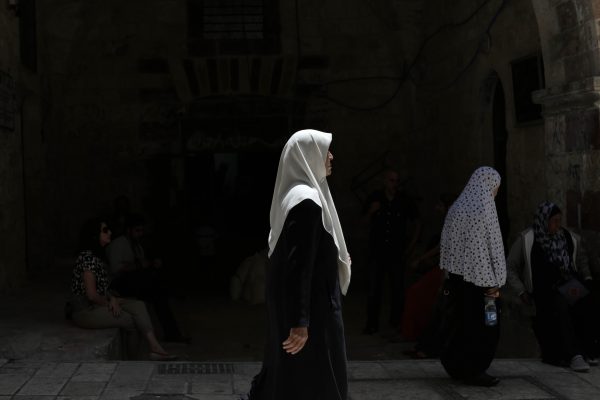
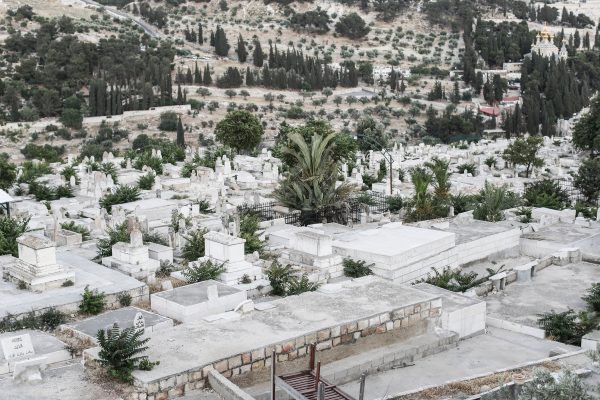
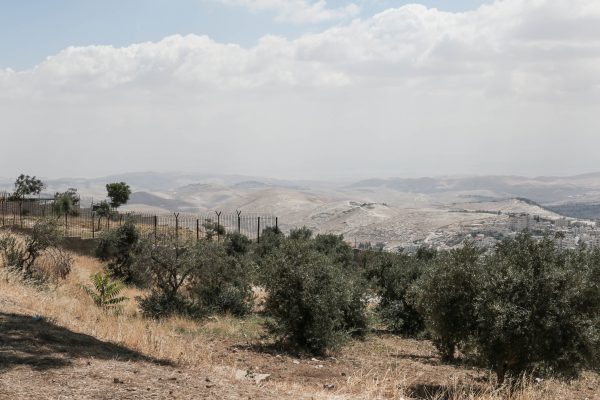
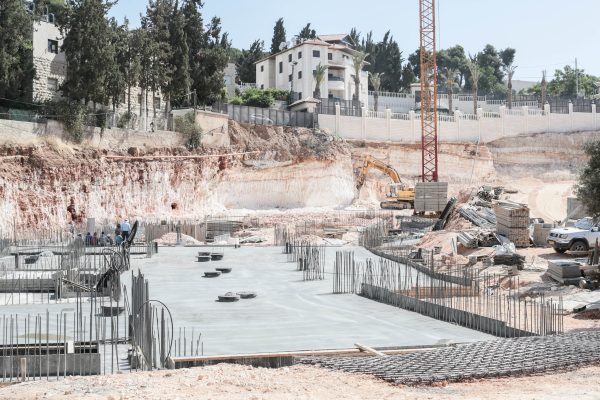
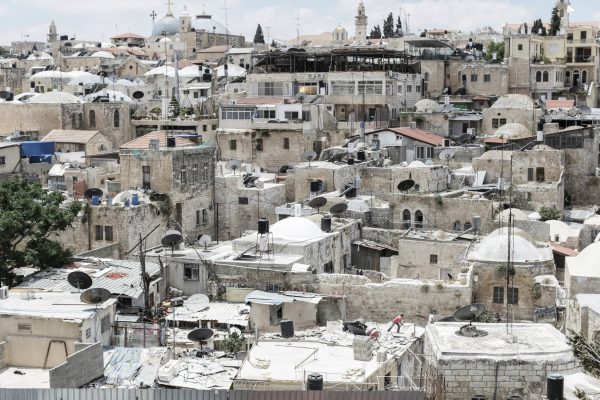
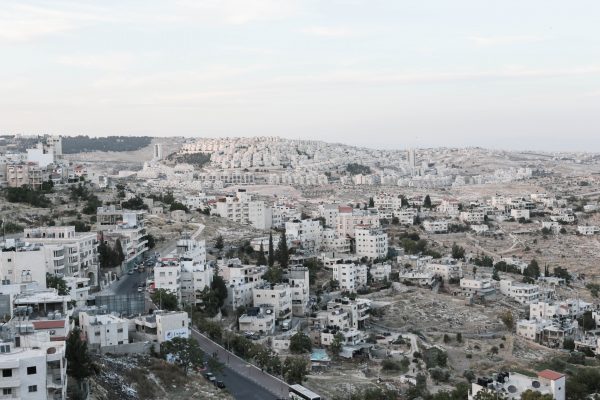
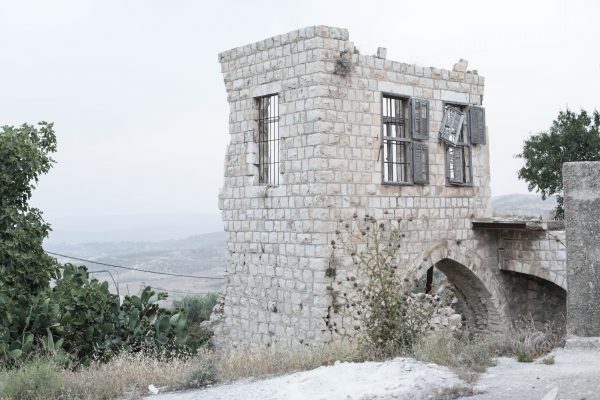
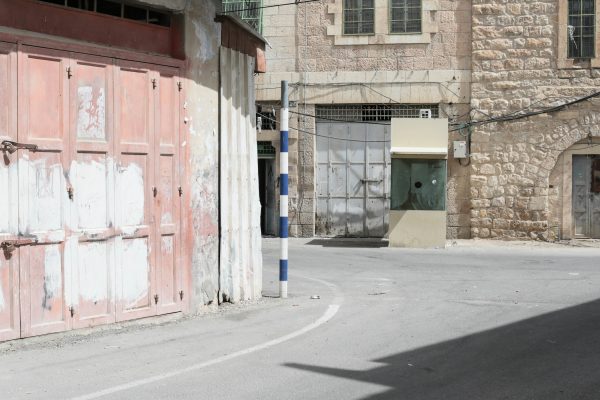
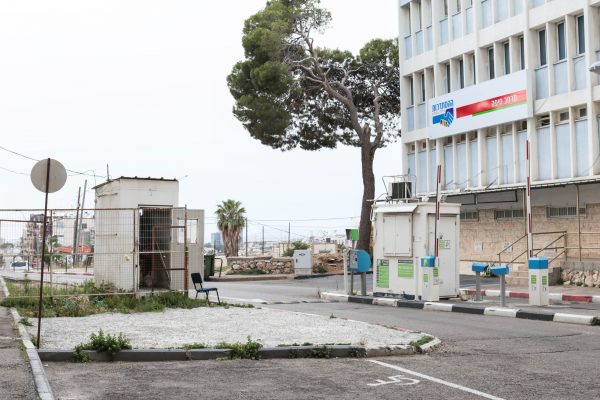
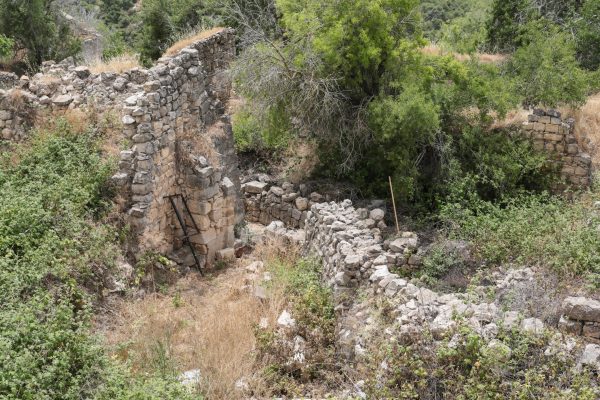
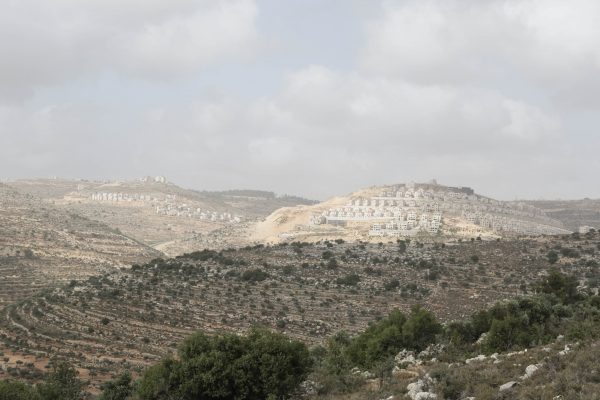
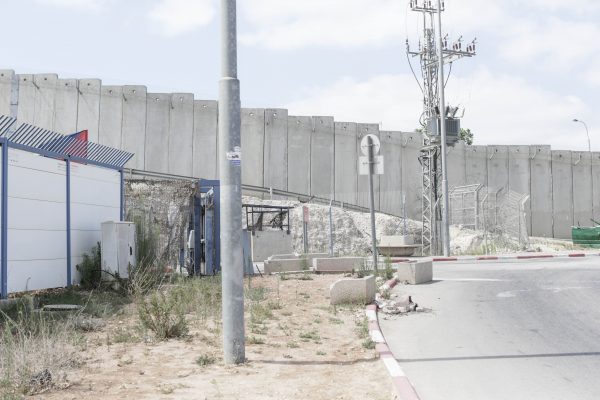
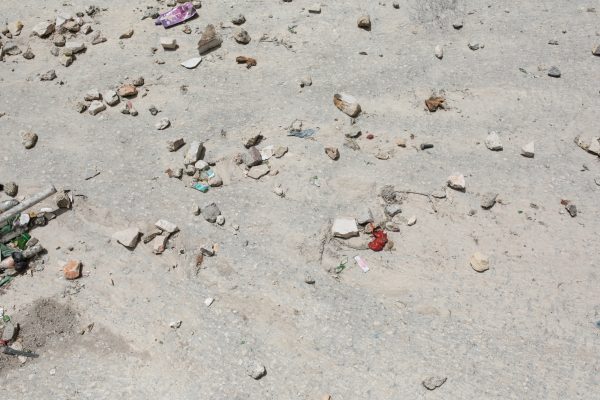
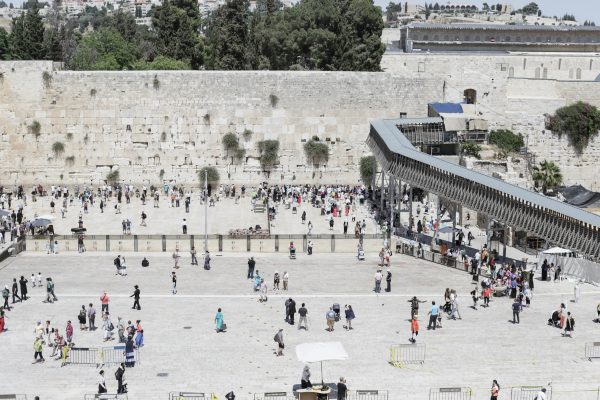
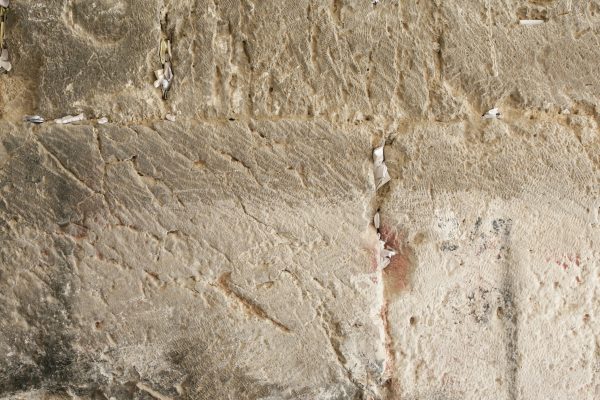
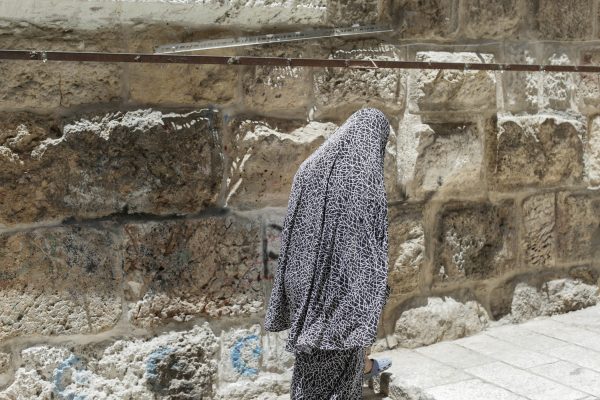
I visited Palestine in early June 2014, just before the latest wave of calamity befell its people. For eight days, I travelled with a group in the West Bank. Everything I saw seemed to speak in the language of land and stone. I saw the wall that cut through Bethlehem and sundered East Jerusalem from the rest of the West Bank. I saw the enormous settlements, such as the one at Har Homa, constructed in defiance of international laws. I touched the old stones of which Jerusalem was built. I saw the tiny stones that had been thrown by boys at a checkpoint in Hebron. I saw bullet-ridden buildings in Nablus. I walked in ancient hills near Ramallah. I saw the infrastructure of occupation and mass imprisonment at every turn. And on this land, among these stones, I saw people whose plea for justice had remained unsatisfied.
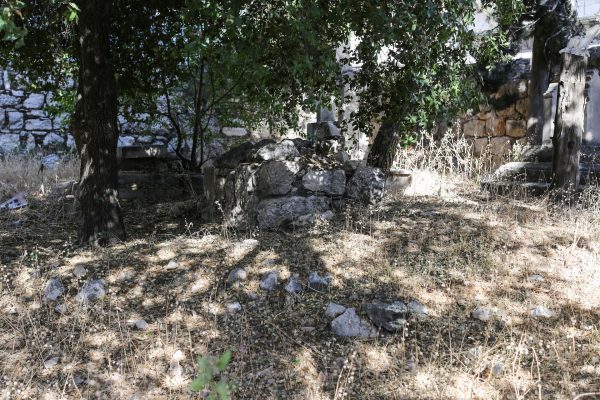
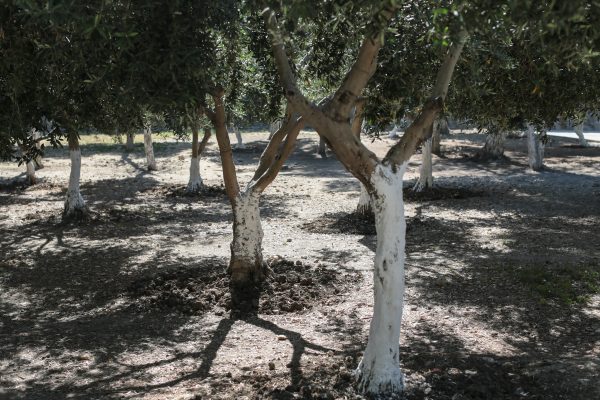
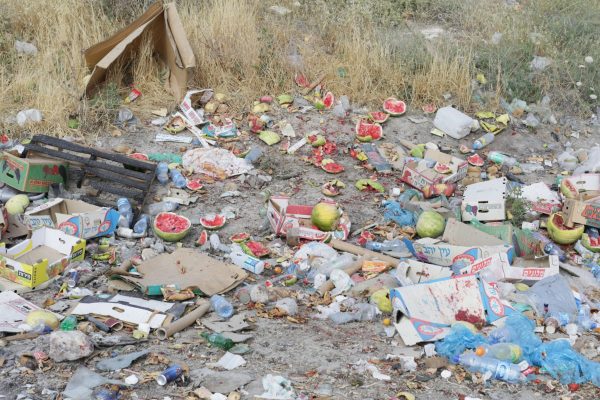
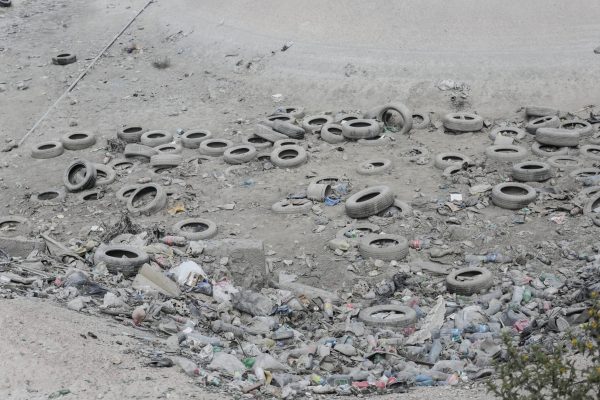
Edward Said described the Palestinian situation as a ‘crippling sorrow of estrangement’. Photography cannot capture this sorrow, but it can perhaps relay back the facts on the ground. It can make visible graves, olive trees, refuse, roofs, concrete, barricades, and the bodies of people. And what is described by the camera can be an opening to what else this ground has endured, and to what its situation demands.